
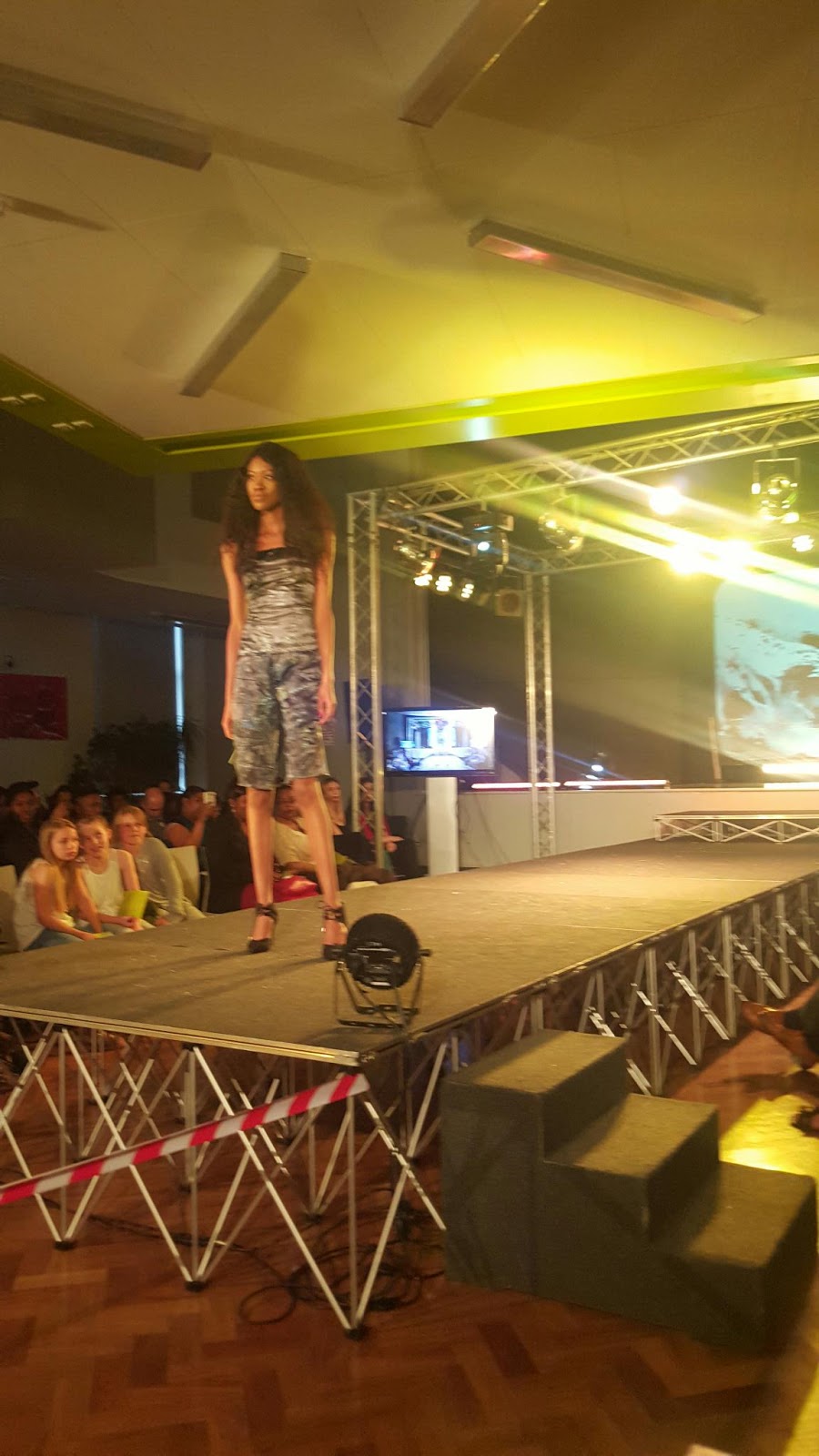
My marble effect, weather map-inspired textiles.




Welcome to the my world of crafts, Fashion and transformations

Psychological research has shown a strong link between what we wear and how we feel. Clothing can influence our confidence, mood, and even performance. One of the leading voices in this field is Professor Karen Pine, a psychologist from the University of Hertfordshire.
Professor Pine once conducted a fascinating experiment where students were asked to wear Superman t-shirts for a day. The result? Students reported feeling more confident, powerful, and capable. Simply wearing the iconic logo triggered a psychological shift.
Symbols matter. Brands like Nike, with its universally recognized tick logo, don’t just sell clothes — they sell emotions. The “swoosh” often triggers a sense of achievement and motivation, much like the rewarding ticks we received in school as children.

In another experiment, Professor Pine found that girls wearing swimsuits while taking a math test performed significantly worse than those in regular clothing. The study concluded that feeling overly self-aware or exposed in certain clothing can lower confidence and impair cognitive performance.
Even in biblical times, clothing signified inner emotion. Sackcloth and ashes were worn to express mourning, guilt, or humility.
1 Kings 21:27 - "He tore his clothes and put on sackcloth... he humbled himself."

Throughout history, rich colours and jewels signified wealth. Today, that tradition continues with designer labels. Luxury handbags — like Louis Vuitton — can cost over £50,000. But are buyers just purchasing a bag, or the feeling of status?
Some studies suggest people buy high-end goods not just for quality, but for emotional validation — confidence, happiness, and even power.

Wearing counterfeit items can affect our behaviour. A study found that people wearing fake designer sunglasses were more likely to cheat and lie than those wearing authentic ones. Psychologists believe this is due to a psychological disconnect — wearing something fake may subconsciously affect our sense of integrity.

With trends shifting toward individualism, many people now choose customised or bespoke clothing to reflect their identity. This personalisation helps foster a sense of ownership and emotional connection to what they wear.

A study published in the Journal of Experimental Social Psychology found that participants who wore white lab coats they believed belonged to doctors performed better on attention-based tasks. This highlights the concept of enclothed cognition — how our attire influences psychological processes.
As Vogue puts it: “Assembling an outfit is like selecting social armour.” Whether it’s a £5 t-shirt or a £5,000 handbag, our choices in fashion reflect, protect, and project our inner state.
Fashion affects how we carry ourselves, how others see us, and most importantly — how we feel about ourselves.

On one hand, there's exciting potential. On the other, the harsh truth is that unless governments and key industry players take real, positive action, the future of fashion may continue to reflect exploitation, environmental damage, and a disregard for ethical standards.
For too long, there has been global negligence when it comes to workers’ rights, toxic chemicals, environmental health, and animal welfare. A lack of universal rights and regulations has allowed the fashion industry to ignore the true cost of its practices. Despite high-profile conferences and promises, I’m still left asking: Will sustainable fashion truly be sustainable for the future?

One exciting prospect is the movement to replace cotton—a widely used fabric with significant environmental and ethical issues—with alternative materials made from fruit. Bananas, pineapples, and coconuts are being explored as sustainable sources for textile production. These materials resemble canvas and could reduce the need for harmful cotton plantations.
Artist Erin Smith took this idea further by creating a wedding dress grown from fungus. Although she didn’t wear it, the dress served as a powerful art piece, grown in just six days using mycelium (the root system of mushrooms). She sourced her materials from Ecovative Design, a leading biomaterial company that creates eco-friendly alternatives not only for fashion but also for building materials like plywood and fibreboard—traditionally filled with harmful resins. Her work shows that sustainable fashion is not only possible but already happening.
.jpg)


Another game-changing technology shaping the future is 3D printing. Visionary designer Iris van Herpen has embraced this innovation, saying:
“The first time I used 3D printing, it completely changed my thinking. It freed me from all physical limitations. Suddenly, every complex structure was possible and I could create more detail than I ever could by hand.”
.jpg)
.jpg)
Fashion itself is becoming more fluid, with digital fashion weeks being proposed—streaming collections all year round, much like 24-hour news. This shift could cut down waste and promote inclusivity, allowing more people to access fashion without the environmental footprint of traditional shows.
And as technology evolves, smart fabrics are emerging—clothing that can count steps, track calories, or even respond to the environment. As smart phones become standard, smart fashion could soon follow, blending style with practical function and data.

.jpg)

The fashion industry is at a turning point. If real change is to happen, it must start with accountability—governments and major stakeholders must stop resisting necessary reform. Sustainable fashion isn’t just about materials; it's about a complete rethinking of systems, labor, consumption, and ethics.
Still, amidst the challenges, I see hope. Innovations like fruit-based fabrics, fungal textiles, 3D printing, and smart clothing give us a glimpse of a better, fairer future. The question now is: will the world embrace these solutions before it’s too late?

During my research into the future of fashion, I became increasingly concerned about the environmental impact of traditional textile practices, especially the use of synthetic dyes. One headline that caught my attention came from an article titled “Made In China: Environmental Impact of the Textile Industry in China” (source). It stated:
“One of the country's greatest environmental challenges is water pollution. The World Health Organisation estimates that polluted water causes 75 percent of diseases in China.”
 |
| MY ECO- FRIENDLY DYING PROCESS |
This shocked me. I then read another report from BioVista Waters (source) that highlighted the scale of pollution caused by textile dyeing:
“Industrialization of the textile industry and the use of a large variety of chemical treatments and dyes has resulted in a public health threat created by pollution. 17–20% of industrial freshwater pollution is caused by textile dyeing and treatment. It’s estimated that 10–15% of total dyestuffs—equivalent to 280,000 tonnes—used during textile manufacturing are released into the environment worldwide each year.”

These facts made it clear to me that the fashion industry’s dependence on chemical dyes is unsustainable and harmful. This inspired me to experiment with natural dyes as a small, personal contribution toward a more sustainable fashion future. Using plant-based and kitchen-sourced materials like beetroot, turmeric, red cabbage, and onion skins.
I began testing out alternatives that don’t pollute waterways or pose a threat to human health.
Natural dyeing may seem like a small act, but it's a powerful step in raising awareness and challenging the destructive norms in fashion. If more designers and consumers embraced these alternatives, we could begin to reduce the industry’s toxic footprint—one garment at a time.
 |
| Eco-friendly dying using green tea. |
 |
| Eco-dying with coffee |


The fashion industry is one of the most polluting industries in the world. Behind the clothes we wear are hidden stories of environmental destruction, unsafe working conditions, and human suffering. Through research, I discovered:
Children working in unsafe conditions
Workers exposed to harmful toxins and paid extremely low wages
Long hours in poorly ventilated factories
Dangerous chemicals used in clothing production
Health risks from toxins in the clothes we wear

.jpg)
💬 "The American Academy of Dermatology estimates that 10–20% of children and 1–3% of adults experience eczema from textile chemicals."

Textile factories release methane, a potent greenhouse gas
Formaldehyde-coated nylon can take up to 40 years to decompose
Rayon and synthetic fabrics require crude oil and toxic chemicals
Non-organic cotton uses large amounts of pesticides that run off into water supplies
Producing one t-shirt can use up to 200 tons of water

There are two types of textile recycling:
Pre-consumer waste – scraps, samples, offcuts
Post-consumer waste – clothes no longer worn by consumers
Reduces waste
Saves resources like water and energy
Limits use of toxic chemicals
Creates one-of-a-kind designs
Gives new life to old materials
💬 "The beauty of upcycling is that you can make something even better than the original."
 |
Fashion brands are slowly embracing change. One example is:
Uses leather offcuts from global factories
Turns 4,000+ pounds of waste per production cycle into quality leather goods
This is a great example of how upcycling can create jobs, reduce pollution, and produce high-quality, sustainable items.

The fashion industry needs to change—and so do our habits.
We can start by:
Recycling and donating clothing responsibly
Buying second-hand or vintage
Choosing natural, organic, and upcycled materials
Supporting brands that are ethical and sustainable
Together, we can reduce pollution, protect workers, and create a cleaner, fairer world.


Collection: "Matryoshka: Layers of Identity" While studying future trends in college, I was drawn to powerful symbols that hinted ...


